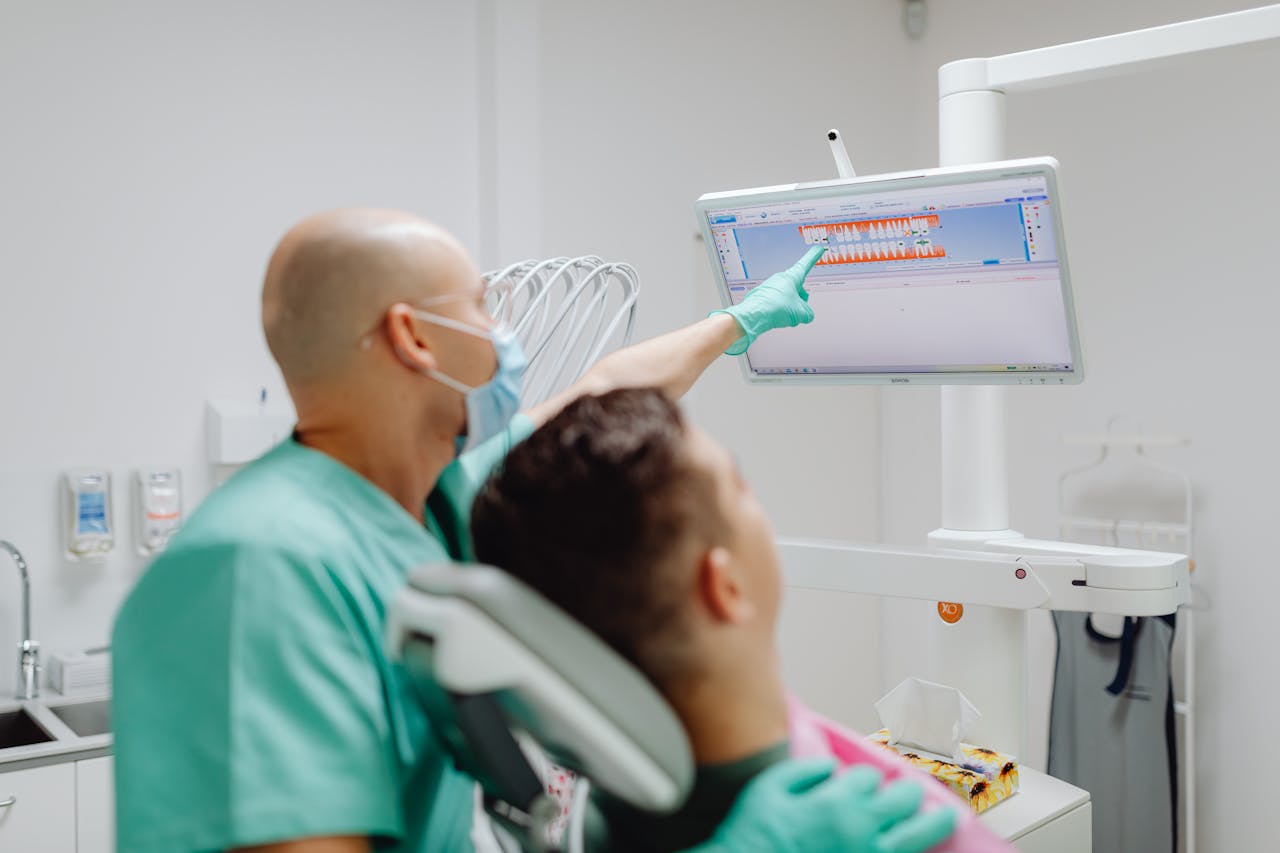

So why is dental care so expensive, and how can we navigate the often high costs of looking after our teeth? Unlike a check-up at the doctor’s clinic, which the taxpayer largely covers through Medicare, adult dental care is primarily a private industry. This means that when an unexpected toothache strikes, you are often left to foot the bill yourself, either out of pocket or through your private health insurance.
If you don’t have insurance and your dentist bills are more than your savings can handle, a personal loan can provide the funds to numb the financial pain immediately.
Overview
- The High Operating Costs Behind The Chair
- The Additional Costs That Shape Your Dental Bill
- The Reality Of Public Vs Private Care
- Common High-Cost Dental Procedures In Australia
- Managing Dental Costs: Insurance, Planning And Personal Loans
- Financial Relief For Your Smile Is Just A Click Away
The High Operating Costs Behind The Chair
It’s easy to assume that your dental fees go straight into the dentist’s pocket. In reality, however, running a dental practice is expensive.
Modern dental clinics operate more like a small medical facility than a simple consulting room. Common start-up and ongoing costs can include essentials ranging from dental chairs to digital imaging systems, as well as the maintenance and upkeep of the equipment they use each day.
In addition to equipment-related expenses, clinics must also cover:
- Commercial rent and utilities
- Wages for highly trained staff, including dental assistants, hygienists, and administrative staff
- Consumables that the dentist and dental hygienists use in every appointment
Add these overheads up, and they become a significant factor in how dental practices set their fees. For patients who ultimately have these costs passed on to them, short-term financing options such as easy approval loans may help them to get the treatment they need without eating too far into their savings.
The Additional Costs That Shape Your Dental Bill
Though clinic overheads will account for some of the cost of dental care, your final bill also reflects treatment-specific expenses that go beyond appointment time.
When the dentist sends you an itemised bill for their services, you’ll find that there are several costs beyond the time you spend in the dentist’s chair. These costs include the following.
Specialised Materials
Depending on which procedure you’re having, dental treatments typically use advanced materials such as ceramics, bonding agents, and titanium components. The majority of these products are regulated as medical devices in Australia. Therefore, they must comply with strict safety and quality standards set by the Therapeutic Goods Administration.
Infection Control And Sterilisation
Australian dental practices must follow strict infection control protocols, which include single-use items, personal protective equipment, and specific sterilisation processes. Each of these contributes to overall operational costs.
Dental Laboratory Fees
When dentists fit crowns, bridges, and dentures for their patients, these treatments usually require custom work from dental laboratories. Highly trained and skilled technicians carry out these services that dentists pay for separately and then pass on as part of the treatment cost.
Regulation And Professional Standards
To legally practise dentistry, a dentist must register with the Dental Board of Australia each year. They also need to hold professional indemnity insurance and complete mandatory continuing professional development (CPD). CPD is measured in required hours rather than dollars, but many practitioners invest significantly in training to stay current with new techniques and technologies.
For patients facing larger dental bills, short-term loans from Trusty Finance, starting from $2100, can provide immediate access to cash that allows them to avoid delaying treatment.
The Reality Of Public vs. Private Care
While public dental clinics certainly exist, they are primarily reserved for concession cardholders and often involve waiting lists that often involve lengthy waiting lists. If we’re dealing with sharp pain or a deteriorating tooth, this may not be a viable option for most of us.
Putting off essential treatment as you wait for a public spot or save up the cash can be a gamble. If you leave your small cavity that just needs a $300 filling today untreated, it can quickly spiral into a much more expensive root canal procedure later on.
Taking out private health insurance allows you to deal with the problem as soon as possible (once you’ve cleared the waiting period). If you don’t have insurance or can’t endure the waiting period, an emergency loan enables you to fix the problem now and repay the cost over time.
Common High-Cost Dental Procedures In Australia
Not all dental visits fall under the “routine check-up” category. More complex procedures require additional time, materials, and technical expertise. Costs vary significantly by clinic, location, and complexity, but typical private-sector price ranges in Australia may include:
- Root canal treatment: this often ranges from around $1,000 to several thousand dollars, depending on the tooth and the number of canals
- Dental crowns: commonly priced in the low to mid-thousands, depending on material and fabrication method
- Wisdom tooth extraction: simple extractions may cost a few hundred dollars, while surgical removal or hospital-based procedures can cost considerably more
- Dental implants: frequently start at several thousand dollars per tooth and may increase if additional procedures are required
There is no single national fee schedule for private dentistry, and prices can vary widely between providers. Quick loans up to $5000 can help you manage your dental bills now, should your health insurance impose a waiting period.
Managing Dental Costs: Insurance And Planning
Private health insurance can help reduce dental expenses. As we know, waiting periods do exist for new policyholders. However, most policies also include annual limits on “extras” cover, which dental work falls under. For major treatments, patients often still face a significant gap payment.
Dental health and hygiene issues rarely, if ever, fix themselves. Therefore, delaying necessary treatment can lead to more complex procedures in the future. And those procedures are generally far more expensive. For eligible borrowers, a secured loan can be one option for managing unplanned dental costs.
So, how do you avoid expensive dental treatments?
Like many areas of our health and well-being, prevention is always better than a cure. Consistent check-ups and early intervention are generally the most cost-effective approach to maintaining oral health over time.
Financial Relief For Your Smile Is Just A Click Away
When it comes to the question of why dental care is so expensive, the reasons are largely because Medicare doesn’t subsidise most dental procedures and treatments. Clinics face high operating, equipment, and compliance costs, and treatments rely on specialised materials, laboratories, and skilled professionals.
If you don’t have private health cover, or your policy imposes a strict waiting period before you can claim, Trusty Finance can help you grin and bear the costs of essential dental work now. Our personal loans range from $2100 up to $5000 and can help you get the treatment you need when you need it.
With one of our last-minute loans, you can look after your teeth today and avoid the financial burden that may come with a more serious dental problem later.
Frequently Asked Questions
Why is dental so expensive in Australia?
Unlike visits to the doctor, most adult dental appointments are not covered under Medicare, which is why our dental bills can be significantly higher. Other factors that influence the overall costs are high operating expenses, higher investment spending in specialist technologies and equipment, and strict training and compliance requirements for dentists and their staff.
How do I fix my teeth if I don’t have money?
If you don’t have sufficient savings in your account or you don’t have private health insurance, there are public dental clinics available across the states and territories of Australia. However, many of these clinics may come with a lengthy waiting list before you get seen, so if you need urgent attention and meet eligibility criteria for a personal loan, Trusty Finance has instant loan options available starting from $2100.
What is the 2 2 2 rule in dentistry?
The 2 2 2 principle states that you should brush your teeth two times a day, with each time lasting two minutes, then commit to visiting your dentist twice a year for a general clean and check-up. This will be your best defence against dental health problems like gum disease and cavities.
People Also Read…
- How Can You Get A Quick Loan In Australia?
- Can You Get A Personal Loan For Landscaping In Australia?
- 5 Simple Ways To Increase Your Chances Of Loan Approval
At Trusty Finance, we make borrowing simple with a quick online application and fast approvals. Get the funds you need with clear terms and no surprises.